

Hematologists are the key players in the management of sickle cell disease
(SCD). A hematologist is a doctor who specializes in researching, diagnosing,
treating, and preventing blood disorders and disorders of the lymphatic
system (lymph nodes and vessels). Sickle Cell Disease is mainly a blood
disorder disease and falls squarely on the shoulders of a hematologist.
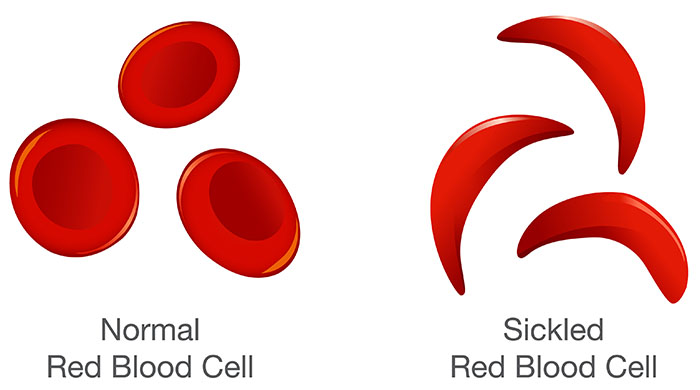
Major ways hematologists contribute to the management of Sickle Cell
Disease
1. Diagnosis and monitoring: This is the first and very important aspect of dealing
with SCD, there are several techniques a hematologist can use for the detection
and monitoring of the sickle disease. These techniques can be divided into two main categories: (1) currently used methods in the diagnosis of SCD and (2)
innovative techniques which are mostly still in the research stage.
Innovative techniques
Currently Used Methods Include
(1a): Image Processing Technique
(1b): High Performance Liquid Chromatography
(1c): Solubility Sickling Test
(2a): Complete Blood Count
(2b): Peripheral Blood Smear
2. Treatment: Hematologists work with other healthcare professionals to
develop a treatment plan that best fits the patient’s needs. They may prescribe or
suggest other therapies to manage acute pain or prevent complications.
Management of sickle cell anemia is usually aimed at avoiding pain episodes,
relieving symptoms and preventing complications. Treatments might
include medications and blood transfusions. For some children and teenagers, a
stem cell transplant might cure the disease.
3. Disease Management: Hematologists help patients with SCD manage their
disease through prompt regular checkups, vaccinations when necessary,
providing education on how to prevent complications and avoid painful episodes.
4.Research and Advocacy: Hematologists play a vital role in research and advocacy efforts to improve the understanding and treatment of SCD. They work on clinical trials and studies to develop new therapies and medications and advocate for policies that improve the lives of people with SCD.
In summary, hematologists can be described as life savers in the management of
sickle cell disease. They work with patients to diagnose, treat, and manage their
disease, and promote research and advocacy efforts to improve the lives of
people with SCD.