

As of December 22nd 2008, the UNESCO General Conference at its 33rd session, requested the Director-General to support the carrying out of a feasibility study, in cooperation with the competent United Nations agencies, with a view to:
a) Drawing up an international preventive education programme on sickle-cell anemia.
b) Setting up a fund composed of extra budgetary resources to support such a program.
c) Proclaiming 19 June of each year as international day to combat sickle-cell anemia.

Director General of Unesco (1999-2009) -KOICHIRO MATSUURA
The General Conference also invited the Director-General to submit to it at its 34th session a report on the implementation of this resolution, including efforts made at the national, regional and international levels to combat sickle-cell anemia and its consequences worldwide. Purpose: In conformity with 33 C/Resolution 22, the Director-General submits this report which presents an overview of the issues related to the feasibility study, the results of consultations held, and recommendations for future action. Hence some global initiatives in creating awareness and management of SCD.
Here are a few examples:
1. World Sickle Cell Day: June 19 was officially designated as World Sickle Cell Awareness Day. The international awareness day is observed annually with the goal to increase public knowledge and an understanding of sickle cell disease, and the challenges experienced by patients and their families and caregivers.
2. The Sickle Cell Disease Coalition: The Sickle Cell Disease Coalition is a global network of over 50 organizations whose mission is to improve public awareness, advance research, and improve outcomes for individuals living with sickle cell disease. The Sickle Cell Disease Coalition (SCDC) is, meant to amplify the voice of the sickle cell disease (SCD) stakeholder community to improve outcomes for
individuals with SCD. Its membership includes public health, research, and provider organizations, patient groups, faith-based organizations, federal agencies*, industry representatives, and foundations.
3. The Global Sickle Cell Disease Network: The Global Sickle Cell Disease Network is a partnership between healthcare professionals, researchers, advocacy groups, and patients around the world who are working to improve care and advance research for sickle cell disease.
4. The Sickle Cell Disease World Congress: The Sickle Cell Disease World Congress is an international event held every two years that brings together researchers, healthcare professionals, and advocates from around the world to share the latest research findings and best practices for sickle cell disease management.
5. The SickleInAfrica Initiative: The SickleInAfrica Initiative is a collaborative effort between healthcare professionals, organizations, and governments in Africa aimed at improving sickle cell disease care and management in the region.
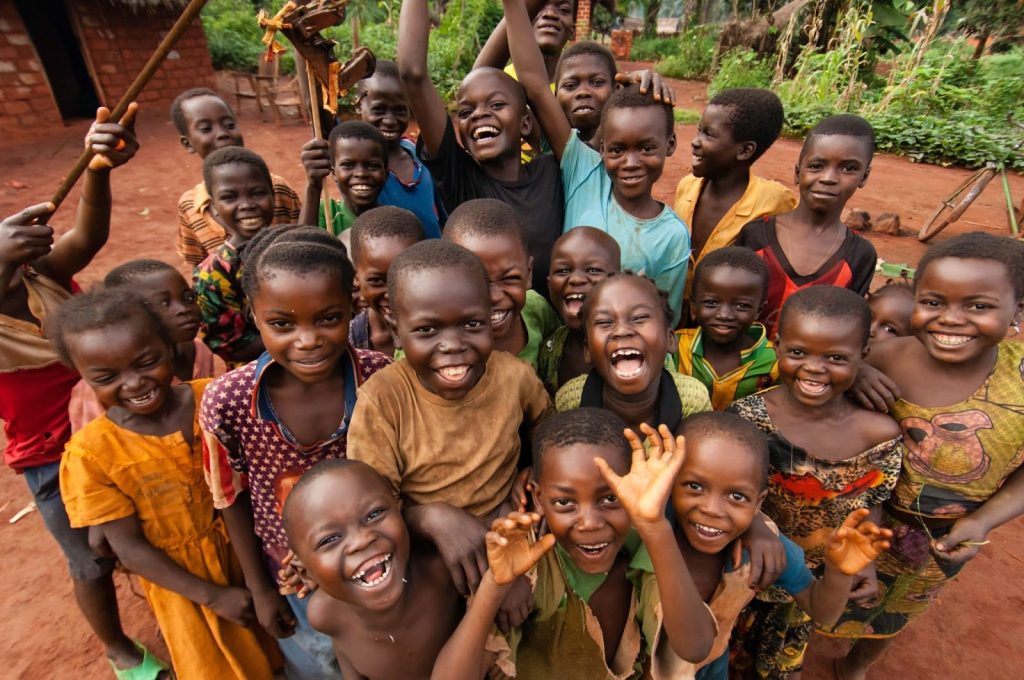
These initiatives are working towards improving the diagnosis, management and treatment of sickle cell disease worldwide and are dedicated to finding a cure for the condition. New approaches in managing this disease have improved diagnosis and supportive care over the last few decades, but many patients still have severe complications to overcome.
The future of care for SCD patients will be dependent on advanced and highly targeted approaches to research, discovery, and implementation of proven and new interventions. To ensure that patients with SCD receive state-of-the-art care, there is a need for the SCD stakeholder community to use multi-disciplinary and coordinated efforts to produce the greatest impact. A multi-agency approach would deliver advances faster, more economically, and more efficiently to patients suffering from this debilitating disease in the United States and around the world.