

How Sickle Cell is Treated
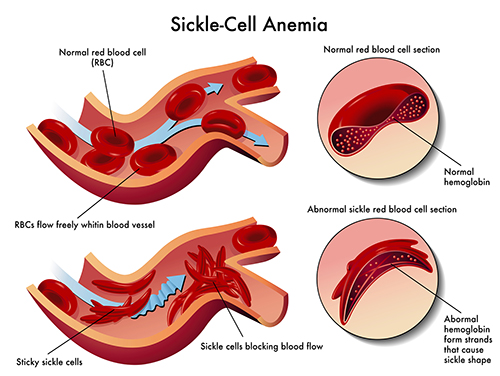
Sickle cell anaemia is an incurable and chronic disease, so its treatments address the episodes of extreme pain (vaso-occlusive crisis (VOC)) rather than the disease as a whole. For these episodes, the treatment is specific to the patient’s pain. Often, patients can develop chronic pain that lasts over months, and pain management doctors recommend different treatments to manage the pain.
Up until the age of 10, children are provided with medication that protects them against infections. As they grow older, the medication will be tailored more towards managing pain levels rather than protecting against infections.
Sickle cell anaemia is a disease that scientists are still trying to figure out. Many of the recommendations for someone with the disease is to change their lifestyle and habits. They are encouraged to drink and eat healthy and regular vaccines and antibiotics. Regular blood transfusions are also a great method to balance out the sickled red blood cells.
Possible modes of treatment (oft more than one is used):
- Changing habits
- Water intake, healthy foods
- Pain medication
- Blood transfusions
- Folic acid
- Prevents severe anaemia
- Hydroxuyea
- Reduces need for blood transfusions, frequency of VOC and dilutes sickled cells
- Bone marrow transplants
- Regular eye exams
- These screen for retinopathy, which is damage done to the retina, often caused by irregular blood flow.